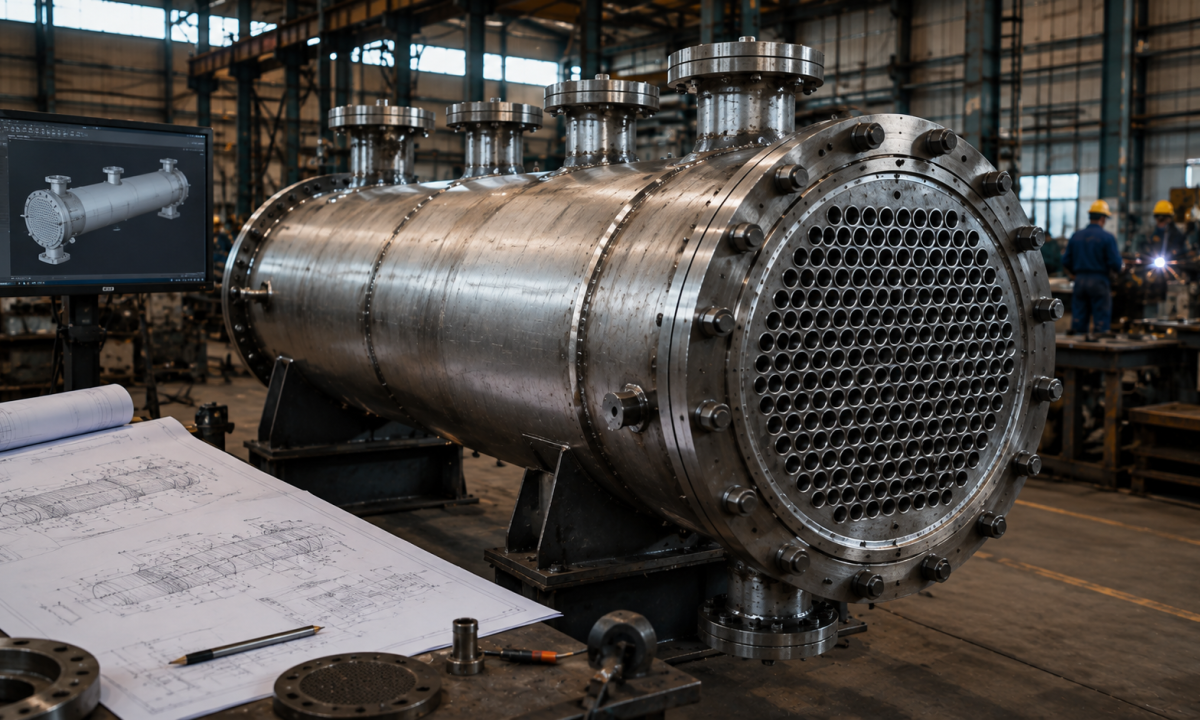
Heat Exchanger Design & Fabrication Services in Pakistan
A reliable heat exchanger begins with appropriate engineering design.
The design must consider the thermal requirements, operating conditions, fluid properties, pressure drop, material selection, mechanical requirements and installation constraints.
Maxim Thermal Engineering provides heat exchanger design and fabrication services in Pakistan for suitable industrial applications.
Heat Exchanger Design Process
1. Understand the Application
The first step is understanding what the heat exchanger needs to accomplish.
2. Collect Process Data
Important information can include:
- Fluid type
- Flow rate
- Inlet temperature
- Outlet temperature
- Operating pressure
- Design pressure
- Required heat duty
3. Select the Configuration
Depending on the application, the appropriate configuration may include:
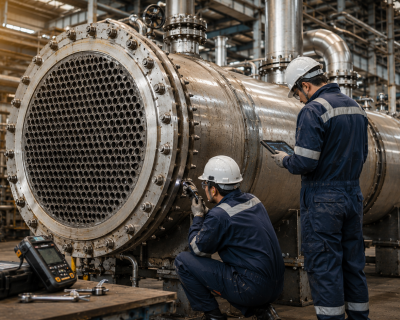
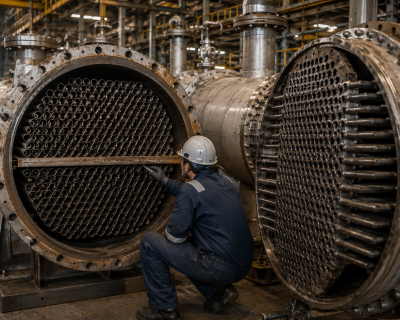
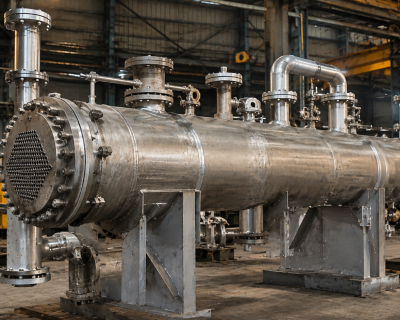
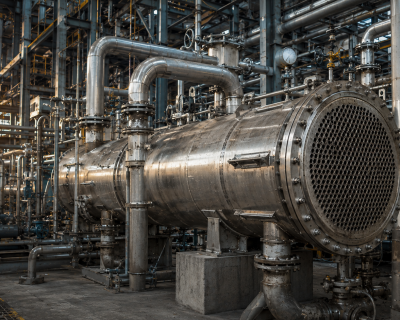
- Shell & tube
- Air cooled
- Fin tube
- Waste heat recovery
- Custom thermal equipment
4. Material Selection
Material selection should consider temperature, pressure, corrosion and fluid compatibility.
5. Thermal Design
The heat exchanger needs sufficient heat-transfer area to achieve the required thermal performance.
6. Mechanical Design
Mechanical considerations include pressure containment, thermal expansion, supports, connections and fabrication requirements.
7. Fabrication
The engineered design is converted into the finished equipment through controlled fabrication processes.
8. Inspection and Testing
Appropriate inspection and testing are carried out according to project requirements.
Why Design and Fabrication Should Work Together
When design and fabrication are coordinated, practical fabrication requirements can be considered during engineering.
This can help reduce unnecessary modifications and improve project coordination.