

Premium HVAC Coil Manufacturer
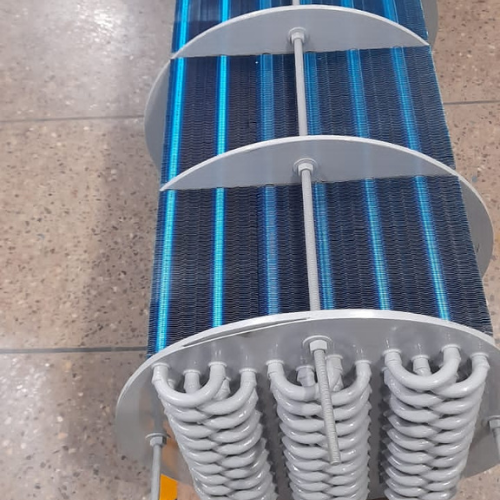
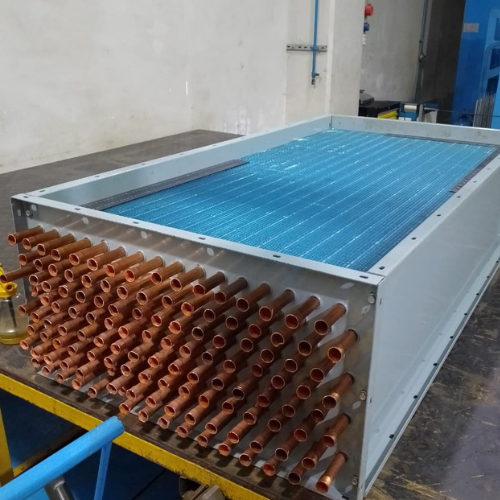
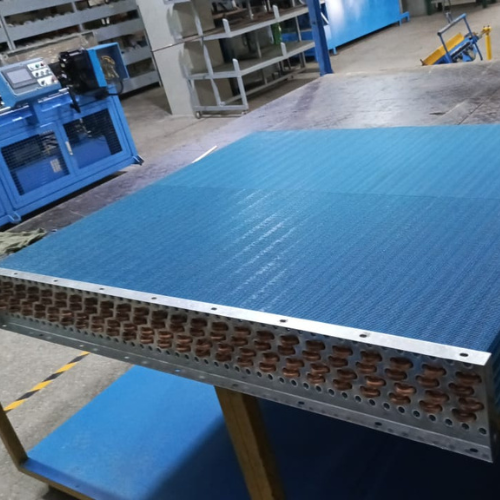
✅ Condenser Coils
- High-performance heat rejection
- Copper tube/aluminum fin construction
- OEM & custom options available
✅ Evaporator Coils
- Optimized for efficient cooling
- DX & Chilled Water coils
- Anti-corrosion coating available
✅ AHU Coils (Air Handling Unit Coils)
- Steam, hot water, chilled water, and DX options
- Perfect fit for all AHU brands
- Energy-efficient and long-lasting
🏭 We Manufacture:
✅ Condenser Coils
- High-performance heat rejection
- Copper tube/aluminum fin construction
- OEM & custom options available
✅ Evaporator Coils
- Optimized for efficient cooling
- DX & Chilled Water coils
- Anti-corrosion coating available
✅ AHU Coils (Air Handling Unit Coils)
- Steam, hot water, chilled water, and DX options
- Perfect fit for all AHU brands
- Energy-efficient and long-lasting
✅ HVAC Coils
- Custom coils for commercial, industrial, and OEM use
- Copper, aluminium, or stainless-steel options
- Fast turnaround, reliable delivery
🔧 Why Choose Us?
- In-house design & engineering team
- Complete installation services
- Short lead times & consistent quality
- Replacement coils for all major brands
- Competitive pricing without compromising on quality
- Nationwide shipping & international export
What makes your remote radiator solutions different from traditional cooling systems?
Our systems are designed to be water-efficient and operate on a closed-circuit basis, eliminating evaporation losses and the need for chemical treatments.
Are these solutions suitable for water-scarce regions?
Yes, these systems are ideal for areas with limited water availability, as they significantly reduce the need for water replenishment.
How much maintenance do the remote radiator systems require?
These systems require minimal maintenance due to the closed-circuit design, reducing the need for frequent water refills and chemical treatments.
Can the system be customized for different engine types?
Yes, we offer tailored solutions to meet the specific cooling requirements of various engines across different industries.
Are these systems environmentally friendly?
Yes, they help reduce water waste and chemical use, making them a sustainable option for engine cooling.